
Social problems today encompass a range of critical issues that affect millions worldwide. From economic inequality to mental health crises, society faces challenges that demand attention and action. These social problems are not just abstract concepts; they manifest in everyday life, influencing the well-being of individuals and communities alike.
The increasing divide between the wealthy and the poor continues to shape the social landscape, leading to heightened tensions and reduced opportunities for many. Simultaneously, issues like climate change and systemic racism highlight the urgent need for comprehensive solutions. By recognizing these challenges, society can begin to address them effectively.
Mental health has also emerged as a pressing concern, particularly exacerbated by recent global events. As individuals navigate stress and anxiety, understanding the societal roots of these issues is essential. Engaging with these topics will reveal not only the depth of the problems but also potential pathways to create meaningful change.
Current Social Issues Overview
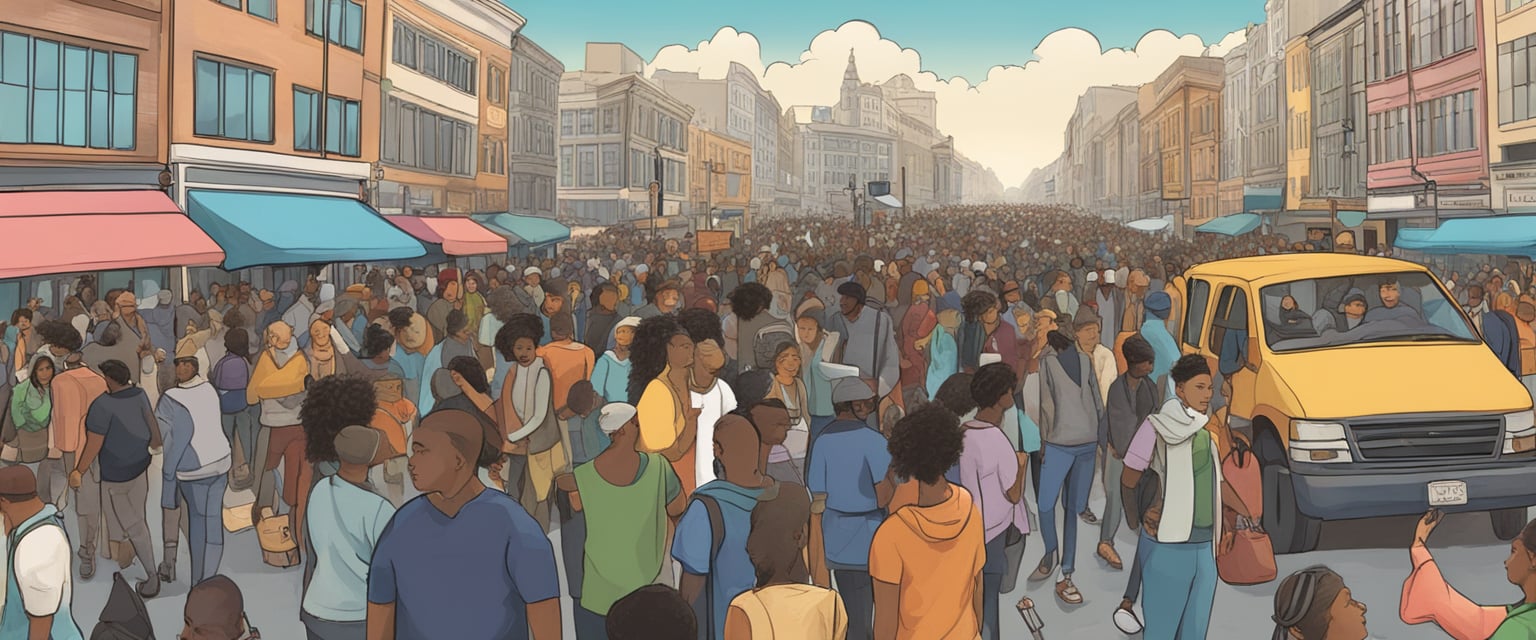
Social problems in 2024 pose significant challenges for communities worldwide. These issues reflect ongoing trends and emerging concerns that affect many people daily.
The State of Social Problems in 2024
In 2024, many social issues remain pressing and complex. Economic inequality continues to widen, with a growing divide between wealth and poverty. Many individuals face job insecurity, which affects their mental health and family stability.
The climate crisis is another critical issue. Frequent natural disasters and rising temperatures impact vulnerable populations disproportionately. Displacement due to environmental changes is increasing, creating challenges for humanitarian efforts.
Additionally, mental health awareness has risen. More people seek support, yet access remains limited in many areas, exacerbating the issue. The stigmatization of mental health continues despite increased advocacy.
Progress and Challenges Since 2023
Since 2023, some progress has been made in addressing social issues. Initiatives aimed at reducing poverty have gained momentum, with various organizations collaborating to provide essential services. Improved access to education has empowered individuals, especially in marginalized communities.
On the other hand, challenges persist. Political polarization hampers effective responses to social issues. Despite efforts to unite communities, divisive rhetoric continues to undermine progress.
Efforts to combat climate change show promise, yet the urgency of the situation remains critical. Innovative solutions are needed urgently to address both environmental and social problems effectively.
Economic and Employment Challenges

Current economic landscapes exhibit significant issues, including workforce inequality and the lasting impact of COVID-19 on global economies. These challenges contribute to a transformed employment environment that demands careful examination.
Inequality in the Workforce
Workforce inequality persists across various dimensions, including race, gender, and income level. Women, minorities, and low-income workers often face barriers to advancement and fair pay. For instance, the gender pay gap, where women earn approximately 82 cents for every dollar earned by men, highlights systemic issues.
The disparity in access to education and job training programs also exacerbates these inequalities. Individuals from underprivileged backgrounds are less likely to receive the same educational opportunities. This perpetuates a cycle of poverty and limits upward mobility.
To address these issues, stakeholders must prioritize comprehensive policies focusing on equal pay, accessible training programs, and diversity initiatives within organizations.
Impact of COVID-19 on Economies
The COVID-19 pandemic created substantial economic disruptions, leading to job losses and an increase in unemployment rates worldwide. Many sectors, especially hospitality and retail, experienced severe downturns that have not fully recovered.
As businesses adapted to remote work, the demand for digital skills surged. Those lacking these skills faced significant barriers to re-entering the workforce. Additionally, the pandemic highlighted the vulnerabilities of gig economy workers, many of whom lacked job security and benefits.
Economic recovery efforts must focus on supporting affected industries and reskilling workers to meet changing demands in the job market. Ensuring equitable job recovery is crucial for building resilient economies.
Health and Welfare Concerns

Health and welfare encompass a broad range of issues, particularly in the context of recent global events. Key areas of focus include responses to public health threats and the growing mental health crisis.
Public Health Initiatives Post-Pandemic
The COVID-19 pandemic has necessitated robust public health initiatives aimed at preventing future outbreaks. Governments and health organizations have implemented vaccination campaigns, which have proven crucial in curbing the spread of infectious diseases.
For example, seasonal flu vaccination efforts have been strengthened in many regions. Such initiatives not only protect individuals but also enhance community immunity.
Moreover, educational campaigns are vital in promoting health literacy. These efforts guide people on hygiene practices, nutrition, and preventive healthcare. Investment in public health infrastructure remains essential to ensure preparedness for future health emergencies.
Mental Health Crisis and Solutions
The pandemic has exacerbated mental health issues, affecting diverse demographics across society. Increased isolation, anxiety, and uncertainty have led to heightened levels of stress and mental illness.
In response, many communities are expanding access to mental health resources. Teletherapy and online support groups have become popular, providing essential services to those unable to attend in-person sessions.
Additionally, educational institutions are prioritizing mental wellness programs. These initiatives aim to reduce stigma and encourage students to seek help.
Workplace mental health programs are also gaining traction. Employers recognize the importance of employee well-being and are implementing strategies to support mental health in the workplace.
Social Justice and Equality
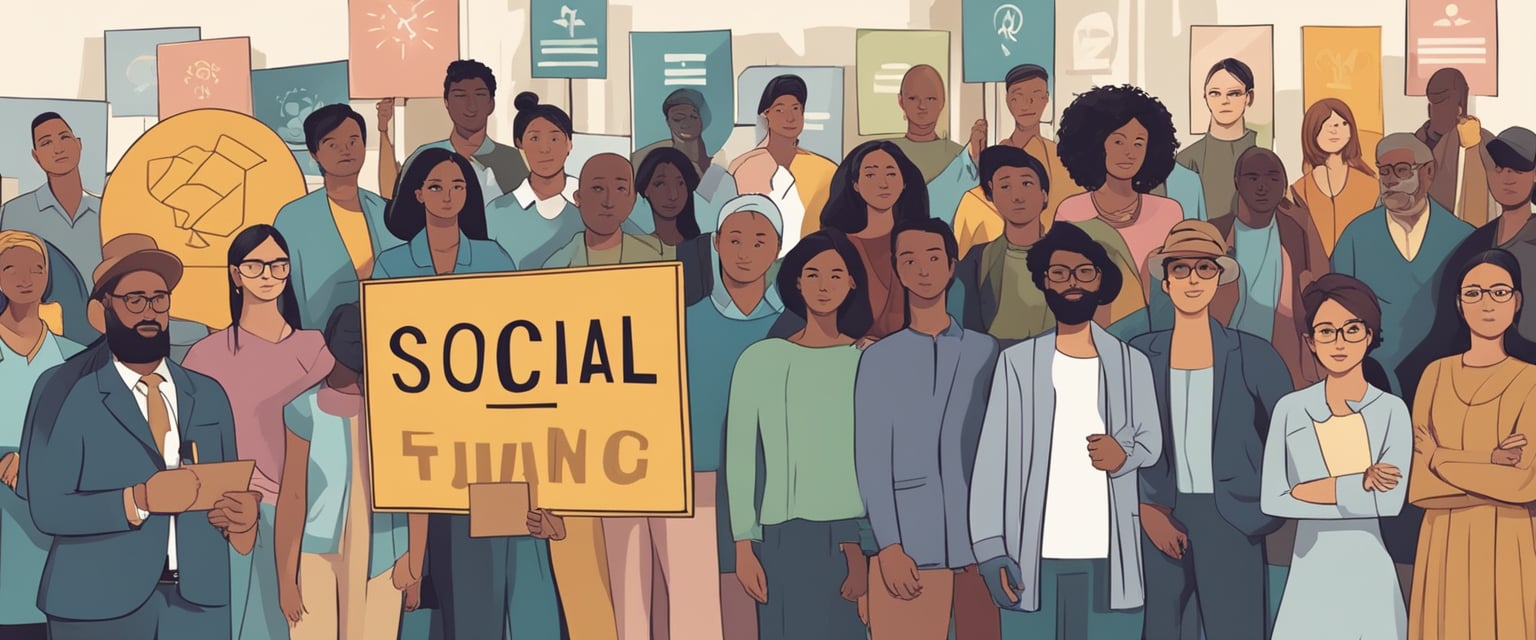
Social justice and equality are critical components of addressing contemporary societal problems. They specifically tackle issues of identity and systemic discrimination while highlighting the vital role of advocates in creating equitable communities.
Combating Racial and Gender Inequality
Racial and gender inequality remains prevalent across various sectors. Disparities manifest in income, education, and healthcare access. For instance, women and minorities often face wage gaps that hinder their economic stability.
Organizations and movements focused on this issue strive for reforms, such as equitable hiring practices and inclusive policies. Legislative efforts, like the Equal Pay Act, aim to address these disparities. Community outreach programs also play a significant role in raising awareness and fostering dialogue on these issues. By collecting data and sharing personal stories, advocates highlight the urgent need for change.
Role of Social Workers in Advancing Justice
Social workers are essential in promoting social justice and equality. They engage directly with marginalized communities, understanding their unique challenges and fostering resilience.
These professionals often advocate for policy changes that enhance access to resources. They may work in various settings, including schools, healthcare facilities, and nonprofit organizations. Their approach involves not only addressing immediate needs but also empowering individuals through education and support.
Social workers also facilitate community engagement initiatives, bringing diverse voices to the forefront. Training in cultural competence helps them address issues authentically. By building relationships and trust, they create environments where individuals feel valued and heard, which is vital for achieving social justice.
Violence and Public Safety
Violence remains a critical issue affecting public safety across various communities. Key aspects of this topic include the impact of gun violence and the initiatives taken by communities to combat violence.
Gun Violence and Legislation
Gun violence has surged in many regions, drawing attention to the effectiveness of current legislation. In the United States, statistics reveal that nearly 40,000 deaths occur annually due to gun-related incidents, a figure that has prompted discussions around stricter gun control laws.
State and federal laws vary significantly, with some regions implementing universal background checks and others maintaining more lenient regulations. The debate often centers on balancing the right to bear arms with public safety concerns. Advocates for change argue that legislation can reduce the rate of firearm-related incidents, while opponents fear that restrictions may infringe on personal freedoms.
Community Efforts Against Violence
Communities are actively engaging in efforts to mitigate violence through various programs. Initiatives focus on gun buyback programs, youth mentorship, and anti-violence campaigns.
Organizations such as CeaseFire work to reduce violence by mediating conflicts and providing resources to at-risk individuals. Local governments also collaborate with nonprofits to bolster community safety. These efforts are crucial in fostering a culture of non-violence and providing safe spaces, particularly in high-risk areas. Tailored strategies aim to address specific local issues, involving residents in grassroots efforts to create lasting change.
Environmental Issues
Environmental issues are critical social problems that affect global and local communities. Key aspects include climate change, which has wide-ranging effects, and the importance of sustainability and social responsibility.
Climate Change and Societal Impact
Climate change poses significant risks to societies worldwide. Rising global temperatures lead to extreme weather events, including hurricanes, droughts, and floods. These events can disrupt food supply chains, displace communities, and strain infrastructure.
The impact on health is also profound. Increased air pollution and heatwaves contribute to respiratory issues and heat-related illnesses. Vulnerable populations, including low-income communities, face heightened risks due to limited resources and access to support.
Economic consequences are evident as well. Sectors like agriculture, tourism, and fishing are increasingly affected by changing climate patterns. Organizations and governments must address these challenges through effective policies and adaptive strategies.
Sustainability and Social Responsibility
Sustainability refers to meeting current needs without compromising the future. It emphasizes responsible consumption and production. Adopting sustainable practices is essential for protecting natural resources.
Social responsibility complements sustainability, urging businesses and individuals to consider their environmental impact. Companies can implement eco-friendly policies, such as reducing waste and minimizing carbon footprints.
Communities can participate by supporting local, sustainable products and advocating for environmental protections. This collective effort fosters resilience and adaptability in the face of environmental challenges. By prioritizing sustainability and social responsibility, societies can contribute to a healthier planet.
Education and Opportunity
Access to quality education plays a vital role in shaping individual opportunities and addressing social inequities. Educational inequality creates barriers for many, restricting access to the resources necessary for personal and professional growth.
Educational Inequality
Educational inequality remains a persistent issue. Disparities often stem from socioeconomic status, race, and geographic location. For example:
- Funding Discrepancies: Schools in affluent areas tend to receive more funding, resulting in better facilities, resources, and teacher salaries.
- Access to Advanced Courses: Students in underfunded schools may have limited offerings in advanced placement courses, affecting college readiness.
This disparity leads to varied academic outcomes across different demographics. Students from marginalized communities often face challenges resulting from inadequate schooling, which can perpetuate cycles of poverty.
Creating Equal Opportunities for All
To address educational inequality, several initiatives can be implemented. These include:
- Policy Reforms: Advocating for equitable funding models can help ensure that all schools receive fair resources.
- Community Programs: Encouraging after-school programs and tutoring can bridge the gap for underprivileged students.
Additionally, mentorship and access to college readiness programs are essential. These efforts can empower students with information and skills needed to navigate their educational journeys effectively. Creating an equitable educational landscape fosters a more inclusive society, promoting opportunity for all individuals.
Political and Leadership Role
Political leadership plays a crucial role in addressing social problems through policymaking and targeted initiatives. Strong governance is essential for creating frameworks that promote social good and enhance community well-being.
Policymaking and Social Good
Policymakers must prioritize the creation of laws and initiatives that address pressing social issues. This includes areas such as healthcare, education, and climate change.
Effective policies often involve collaboration between various stakeholders, including government agencies, non-profits, and community organizations. A successful approach involves listening to constituents to tailor solutions that meet specific community needs.
Investing in social programs has the potential to reduce disparities and promote inclusion. Leaders are responsible for allocating resources to areas that require immediate attention, ultimately shaping the quality of life for many individuals.
The Biden Administration’s Contribution
The Biden Administration has initiated several policies aimed at tackling social issues. Key focus areas include economic recovery, racial equity, and climate action.
Significant measures include the American Rescue Plan, designed to provide financial relief during the pandemic. This plan allocated funds for direct payments, unemployment benefits, and support for small businesses.
Additionally, the administration has launched initiatives to address systemic racism and improve access to healthcare. Efforts to combat climate change, such as rejoining the Paris Agreement, emphasize the importance of sustainable practices.
By prioritizing social good, the Biden Administration aims to create a more equitable society.


