
Social unrest in the United States has been a prominent issue over the past few years, driven by various socio-political factors. The landscape of dissent reveals deep-seated frustrations around inequality, injustice, and governance that resonate across diverse demographics. Events such as protests, rallies, and movements highlight the urgent need for dialogue and change within society.
As citizens mobilize in response to these pressures, the motivations behind their actions vary widely, encompassing civil rights, economic disparities, and environmental concerns. Understanding these dimensions offers valuable insight into the complexities of contemporary governance and public sentiment.
The impact of social unrest extends beyond immediate demonstrations; it influences policy, shapes public opinion, and alters the political landscape. By examining these trends, one can better appreciate the significance of the ongoing discussions surrounding peace, justice, and equity in America.
Historical Context of Social Unrest
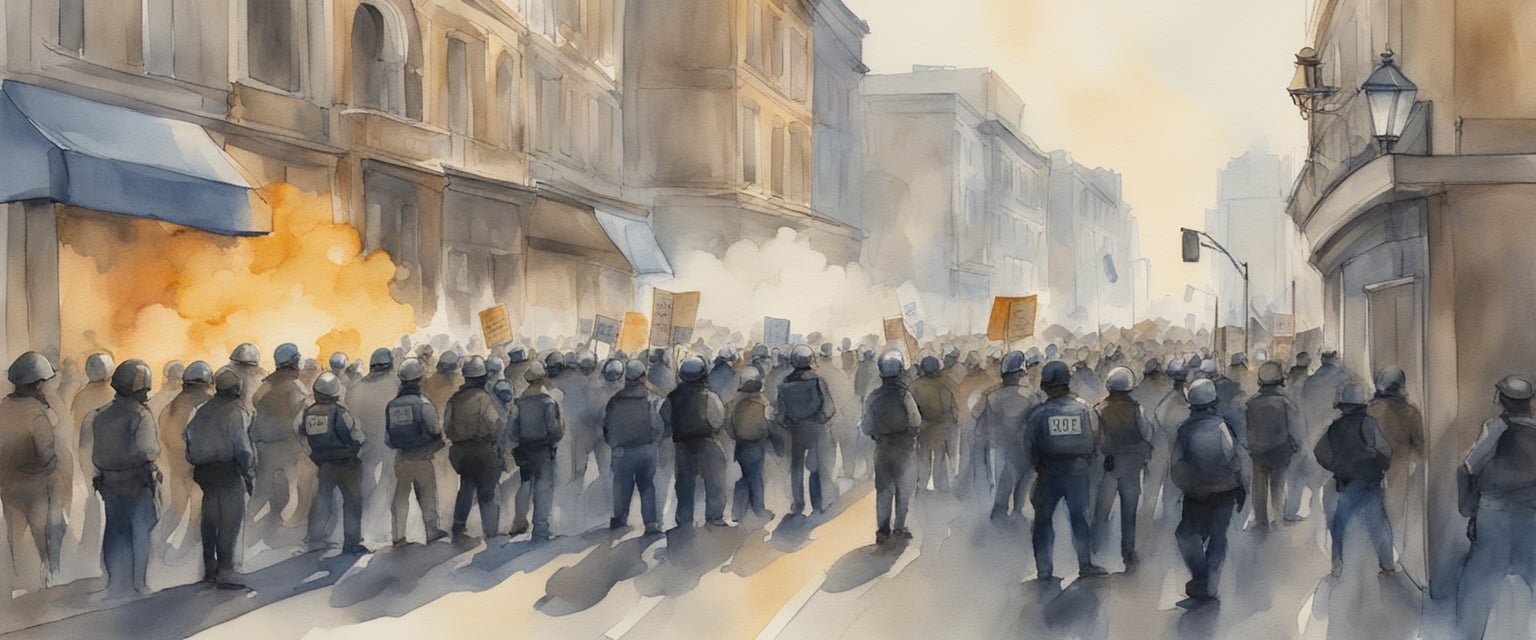
Social unrest in the United States has deep historical roots, influenced by various movements and events advocating for rights and change. Key periods, such as the Civil Rights Movement, anti-war protests, and recent demonstrations related to racial justice, have shaped the current landscape of social activism.
Civil Rights Movement
The Civil Rights Movement, spanning the 1950s and 1960s, was pivotal in challenging racial segregation and discrimination. Prominent figures like Martin Luther King Jr. and Rosa Parks led efforts to secure basic civil rights for African Americans. Landmark events, such as the Montgomery Bus Boycott and the March on Washington, united diverse groups advocating for equality.
Legislation like the Civil Rights Act of 1964 and the Voting Rights Act of 1965 emerged from this upheaval, aimed at dismantling systemic racism. Resistance from various sectors, including local governments and law enforcement, often intensified tensions. The movement not only transformed laws but also ignited ongoing dialogue about race in America that persists today.
Anti-War Protests
The anti-war protests of the 1960s and 1970s, particularly against the Vietnam War, marked another significant period of social unrest. Many citizens, especially young people, expressed their dissent through organized demonstrations, sit-ins, and rallies. Strong sentiments against military involvement led to a cultural shift in attitudes toward government and authority.
University campuses became hotbeds for activism, as students rallied for peace and opposed military conscription. Events such as the Kent State shootings in 1970 heightened public awareness and outrage. These protests influenced public opinion and policy, leading to the eventual withdrawal of U.S. troops from Vietnam.
Recent Black Lives Matter Demonstrations
The Black Lives Matter (BLM) movement emerged in response to incidents of police violence and systemic racism, beginning in 2013. The deaths of individuals like Trayvon Martin, Michael Brown, and George Floyd galvanized national and international protests, highlighting issues of racial injustice and inequality.
BLM utilized social media for organizing and communication, reaching a wide audience. The movement has sparked discussions around policing, criminal justice reform, and racial equity. Its influence extends beyond protests, impacting political discourse and inspiring other social movements. The demonstrations reflect ongoing struggles against entrenched systems of oppression in society today.
Causes of Social Unrest in the United States
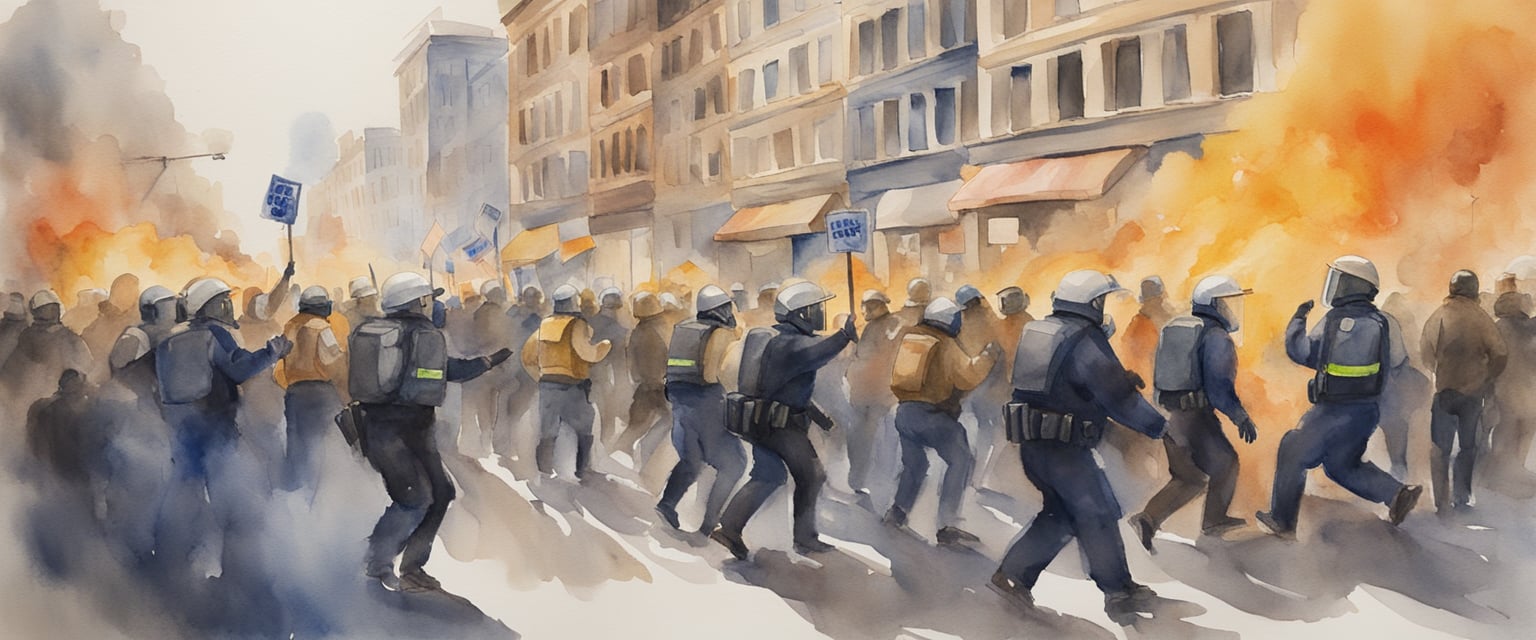
Social unrest in the United States can be attributed to a variety of factors. Key issues include racial injustice, economic inequality, political polarization, and controversial law enforcement practices. Each of these elements contributes significantly to the discontent among various communities.
Racial Injustice
Racial injustice has been a persistent issue in the United States. High-profile incidents of police violence against Black individuals, such as the deaths of George Floyd and Breonna Taylor, have ignited nationwide protests.
These events highlighted systemic racism in various institutions, including law enforcement. Disparities in sentencing, incarceration rates, and treatment in the criminal justice system further exacerbate these feelings.
Community efforts aimed at reform often clash with institutional resistance, creating tensions that fuel unrest. Public sentiment continues to demand accountability and equitable treatment across racial lines.
Economic Inequality
Economic inequality plays a critical role in social unrest. The wealth gap in the U.S. has widened over the past few decades, with a significant divide between the wealthy and the working class.
Factors contributing to this disparity include stagnant wages, rising living costs, and limited access to quality education and healthcare.
As people struggle to meet their basic needs, frustration grows. Movements advocating for minimum wage increases and economic reforms reflect the demand for a more equitable distribution of resources.
This economic strain fuels discontent, leading to protests and calls for systemic change.
Political Polarization
Political polarization has intensified in the United States, complicating dialogue around social issues. Increased partisanship shapes public perception and reaction to events.
Media outlets often reinforce existing biases. This creates echo chambers where individuals consume information that aligns with their beliefs.
Consequently, nuanced discussions around race, economics, and governance become rare. The inability to find common ground contributes to social unrest, as groups increasingly resort to protests to express their dissatisfaction.
Engagement in the political process can sometimes deteriorate, resulting in factions that feel disconnected from their government and each other.
Law Enforcement Practices
Law enforcement practices have become a focal point of social unrest. Incidents of excessive force and racial profiling highlight significant issues within policing.
Public perception of law enforcement often skews negative due to media coverage of violent encounters. Communities of color, in particular, experience heightened scrutiny and mistrust towards police.
Calls for police reform include demands for increased transparency, use of body cameras, and community policing initiatives. Debates surrounding defunding the police reflect deeper questions about public safety and resource allocation.
These ongoing tensions contribute to a climate ripe for unrest, as individuals seek justice for perceived injustices.
Responses to Social Unrest
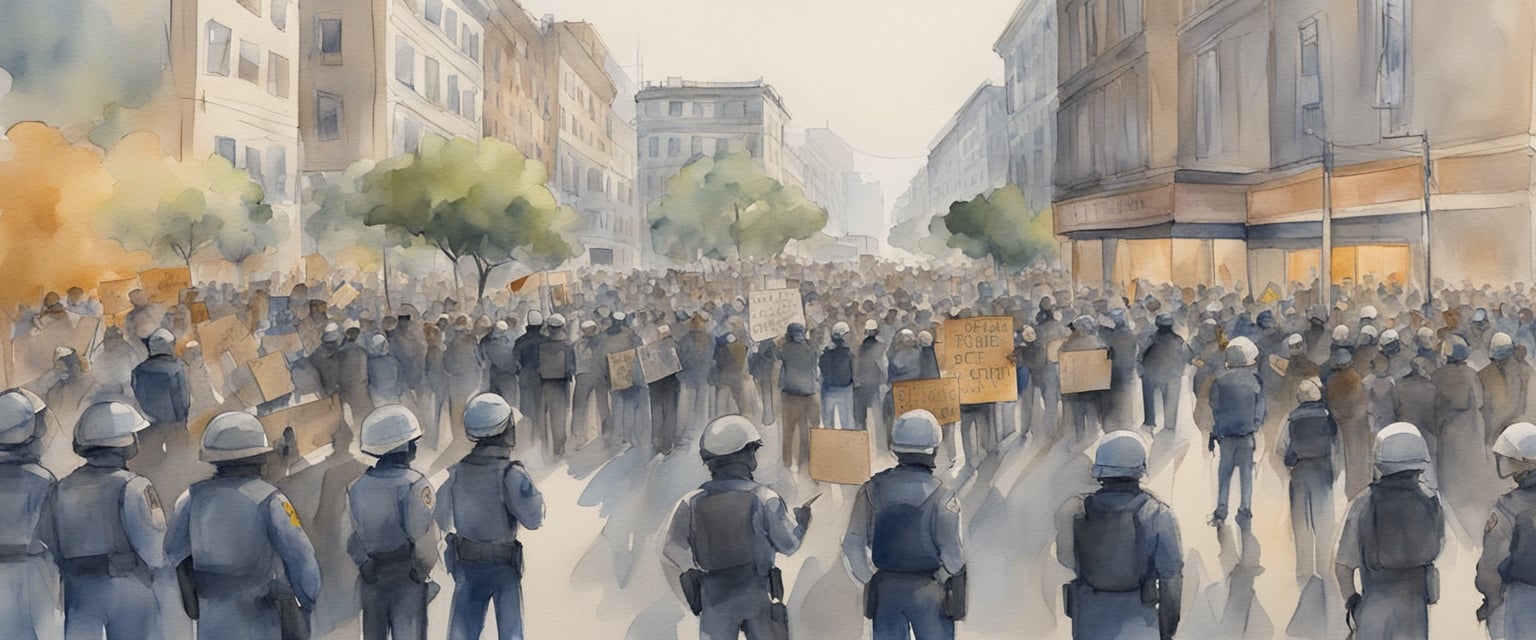
Various measures and initiatives have been implemented to address social unrest in the United States. Responses include government actions, community efforts, and international perspectives that collectively shape the landscape of social change and stability.
Government Measures
The U.S. government often responds to social unrest through law enforcement and legislative actions. Increased police presence during protests aims to maintain order, but can sometimes escalate tensions.
Legislation addressing underlying issues such as racial inequality, economic disparity, and mental health resources is also crucial. Initiatives like the establishment of community policing programs seek to build trust between law enforcement and communities. Emergency declarations may be invoked to manage specific unrest incidents, allowing for curfews or other restrictions to limit the potential for violence.
Community Initiatives
Grassroots organizations actively engage in addressing social unrest by promoting dialogue and community healing. Initiatives include organizing peaceful protests and community forums, which foster understanding and cooperation among diverse groups.
Programs aimed at education and awareness help to address the root causes of division. Partnerships between local leaders and activists focus on solutions like equitable resource distribution. Additionally, community-led workshops provide platforms for sharing experiences and creating collective action toward social change.
International Reactions
International reactions to U.S. social unrest reflect a global concern about human rights and democratic processes. Some foreign governments have issued statements condemning violence and emphasizing the importance of peaceful protest.
Global organizations, such as the United Nations, often monitor these situations, urging the U.S. to address violations and uphold civil rights. Media coverage from around the world can also influence domestic and international perceptions of U.S. government responses, highlighting the need for accountability and reform. This external pressure may lead to increased advocacy for change and reforms from within the country.
Impact of Social Unrest
Social unrest in the United States has profound effects across multiple aspects of society. It influences civil rights and liberties, economic conditions, and social cohesion among communities. Each of these areas reflects how unrest can reshape the fabric of society.
On Civil Rights and Liberties
Social unrest often acts as a catalyst for change in civil rights and liberties. Protests and movements challenge existing laws and practices perceived as unjust.
Legislative actions frequently follow unrest, including reforms aimed at addressing systemic issues. For instance, movements advocating for police reform can lead to new policies regarding accountability and transparency.
In addition, social unrest raises awareness about marginalized communities. It can spark national conversations about rights, discrimination, and justice. This heightened awareness often mobilizes citizens to advocate for legal protections and civil rights advancements.
On Economy and Business
The economic impact of social unrest is significant and multifaceted. Disruptions from protests and demonstrations can cause immediate economic losses. Businesses may experience reduced foot traffic, property damage, and increased security costs.
In some cases, companies face pressure to take a stance on social issues. This can influence brand loyalty among consumers. Businesses that align with social movements might see benefits, while those that do not may encounter boycotts.
Long-term economic impacts may involve shifts in investment patterns, workforce dynamics, and community relations. Areas heavily affected by unrest may struggle with recovery, leading to wider economic disparities.
On Social Cohesion
Social unrest can strain social cohesion within communities. Conflicts often arise between different groups, leading to polarization.
Diverse perspectives highlighted during unrest might lead to discussions, but they can also foster division. Relationships between communities and law enforcement can become fraught, affecting trust.
Conversely, social unrest has the potential to unite people toward a common cause. Shared goals during movements can create solidarity among individuals from varied backgrounds. This sense of belonging may prompt proactive community engagement and efforts to bridge divides.


