The period known as McCarthyism and the Red Scare marks a pivotal moment in American history, characterized by a heightened fear of communism and its perceived threats to national security. Senator Joseph McCarthy became the face of this movement, instigating a widespread campaign against alleged communists in government, entertainment, and other spheres of public life. The legacy of this era reveals how fear can shape policies and public opinion, leading to consequences that extend well beyond the initial panic.
During the late 1940s and 1950s, the fear of communism reached a fever pitch, with many individuals facing accusations and persecution based on little more than suspicion or political disagreement.
The Red Scare not only targeted those with actual ties to communist organizations but also fostered an atmosphere of paranoia that engulfed American society. Events from this time illustrate the dangers of ideological extremism and the implications for civil liberties.
Understanding the dynamics of McCarthyism and the Red Scare helps illuminate their impact on American politics and culture. The fear of communism prompted not only government crackdowns but also a significant chilling effect on free expression. By examining these historical events, readers gain insight into the balance between national security and individual rights, a balance still relevant today.
Historical Context of the Red Scare
The Red Scare emerged in a climate of fear and uncertainty in the late 1940s, influenced by significant geopolitical changes and socio-political movements. This period was marked by heightened tensions stemming from the rise of communism, particularly as the Soviet Union gained prominence.
Emergence of the Red Scare
The Red Scare in the United States began after World War II, driven by fears of communist infiltration. Events such as the 1949 Soviet atomic bomb test exacerbated these anxieties. Many Americans feared that communism might spread, undermining democratic values and national security.
Political leaders capitalized on these fears. Senator Joseph McCarthy played a pivotal role, alleging that numerous communists had infiltrated the U.S. government. Spy cases, like those involving Julius and Ethel Rosenberg, further fueled public paranoia. Employment and loyalty oaths became common, reflecting widespread suspicion and distrust within society.
Rise of Communism and the Soviet Union
The post-war landscape saw a significant rise in communism, particularly with the establishment of the Soviet Union as a superpower. The ideological battle between capitalism and communism defined international relations during this era. The USSR’s expansion into Eastern Europe after the war heightened American fears of a global communist threat.
The subsequent spread of communist influence in various countries fueled domestic hysteria. Events like the Chinese Revolution in 1949 and the establishment of communist regimes in Eastern Europe signified the growing credibility of communism. These developments directly shaped U.S. foreign policy and heightened the stakes in the emerging Cold War.
Joseph McCarthy and His Influence
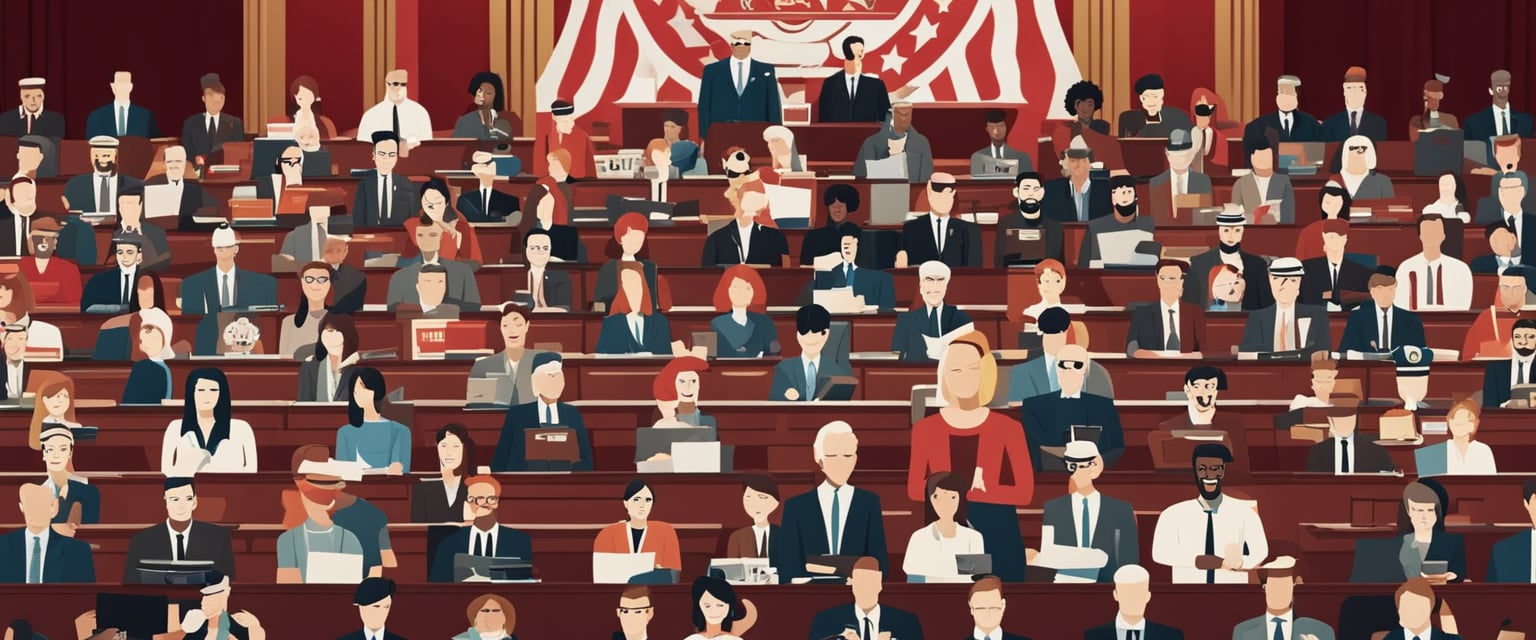
Joseph McCarthy was a significant figure during the Red Scare, known for his aggressive anti-communist stance. He played a crucial role in shaping public perception and government response to perceived communist threats in the United States.
Biography of Senator Joseph McCarthy
Joseph McCarthy was born on May 14, 1908, in Grand Chute, Wisconsin. He graduated from Marquette University Law School in 1935 and began his political career as a circuit court judge. In 1946, he was elected as a Republican senator from Wisconsin. McCarthy’s legal background shaped his approach to politics, enabling him to navigate the complexities of a post-World War II America. His notoriety grew as he claimed to uncover communist sympathizers in various sectors, including government, academia, and the entertainment industry.
McCarthy’s Rise to Prominence
McCarthy’s rise to prominence began in 1950 when he made a speech in Wheeling, West Virginia. In this speech, he claimed to have a list of communists working in the State Department. This assertion catapulted him into the national spotlight. His bravado and assertive tactics resonated with a public fearful of communist infiltration, leading to a series of investigations that gained substantial media attention. The Red Scare fueled his career, as he became synonymous with anti-communism and fearmongering.
The Tactics of McCarthyism
McCarthyism employed various tactics to instill fear and suppress dissent. Key strategies included public accusations, sensationalism, and often baseless claims of communist affiliations. He conducted hearings that put numerous individuals’ reputations on the line, often without substantial evidence.
The use of televised hearings further amplified his influence, as millions witnessed his confrontational style. Lists of alleged communists fueled public paranoia, leading to widespread suspicion and the blacklisting of many in the entertainment and academic fields.
Key Events and Hearings
The period of McCarthyism was marked by significant events and hearings that revealed the intense fear of communism in the United States. These events involved various committees and high-profile cases that shaped public perception and policy during the Cold War.
House Un-American Activities Committee
The House Un-American Activities Committee (HUAC) was established in 1938 and became a prominent player during the Red Scare. Its primary function was to investigate allegations of communist influence within the United States.
During the late 1940s and early 1950s, HUAC conducted a series of high-profile hearings targeting individuals in Hollywood and various sectors. Witnesses were often asked to name supposed members of the Communist Party, leading to many facing blacklisting and career damage.
The 1947 hearings went after several screenwriters and actors, including the “Hollywood Ten.” This group notably refused to cooperate, citing First Amendment rights. Their defiance set a precedent for the conflict between government authority and personal liberties.
McCarthy’s Congressional Hearings
Senator Joseph McCarthy rose to prominence in the early 1950s with his claims of widespread communist infiltration in the U.S. government. His hearings were characterized by aggressive questioning and a lack of substantial evidence, leading to a climate of fear and paranoia.
These congressional hearings attracted significant media attention, with accusations targeting various officials and organizations. McCarthy’s tactics included public accusations and often reckless insinuations, undermining many individuals’ reputations without proof.
The Army–McCarthy hearings in 1954 marked a turning point. McCarthy’s aggressive stance was challenged by Army lawyers, revealing his questionable methods and leading to his eventual decline in influence.
High-Profile Espionage Cases
Numerous espionage cases contributed to the era’s atmosphere of suspicion, including the trials of Alger Hiss and Julius and Ethel Rosenberg.
Alger Hiss, a former State Department official, was accused of espionage in 1948. His trial in 1950 captured national attention, as he vehemently denied the allegations. Hiss was eventually convicted of perjury, which fueled fears of communist sympathizers in government.
The Rosenbergs, accused of passing atomic secrets to the Soviet Union, were tried and executed in 1953. Their case illustrated the extreme measures taken against suspected spies and intensified public fears about communist infiltration and betrayal.
Impact on Society and Government
The McCarthy Era left deep impressions on American society and government operations. The effects of blacklisting and the influence on policy reveal the profound changes during this turbulent time.
Blacklisting and Its Consequences
Blacklisting became a significant tool for curtailing dissent during the McCarthy Era. Many individuals in entertainment and labor faced bans due to alleged communist ties. Those blacklisted found it almost impossible to secure employment, severely impacting their livelihoods.
The list often included prominent figures, leading to a culture of fear. The entertainment industry was particularly affected, with actors, writers, and directors losing their careers over unsubstantiated claims. This censorship stifled creativity and led to a chilling effect on political discourse.
Moreover, blacklisting extended into various sectors, creating an atmosphere of suspicion. People began to self-censor in their opinions, fearing repercussions. This dynamic altered how many Americans interacted with each other on political matters.
Influence on the State Department and Policies
The McCarthy Era also had a significant impact on the State Department’s operations. Under President Truman, the fear of communist infiltration led to a culture of surveillance and suspicion among government employees.
Policies were implemented to investigate with increased fervor individuals, particularly in sensitive positions. This created an environment where loyalty oaths were common, with employees pressured to prove their allegiance to the United States.
The ramifications of these policies extended beyond the State Department. Civil liberties were often neglected in the pursuit of perceived security. The consequences included damaged reputations and lost opportunities, affecting the overall relationship between government and its public.
Legacy and Reassessment
The McCarthy Era left a profound impact on American society and politics. Key aspects of its legacy include its contributions to civil liberties debates and the evolution of political discourse. Reassessing McCarthyism reveals varied interpretations of its significance and consequences.
End of the McCarthy Era
The McCarthy Era began to decline in 1954 following the Army-McCarthy hearings. These televised hearings exposed Senator Joseph McCarthy’s aggressive tactics and lack of substantial evidence. Public sentiment shifted as citizens witnessed the proceedings, leading to widespread disillusionment with McCarthy’s methods.
By December 1954, the Senate formally censured him. This marked a significant turning point, as it diminished his influence and authority. The end of McCarthyism initiated a re-evaluation of anti-Communist sentiments and highlighted the need for greater protection of civil liberties.
Historical Reevaluation of McCarthyism
Scholars have debated the implications of McCarthyism in the decades since the era’s conclusion. Some view it as a necessary response to genuine fears of Communism during the Cold War. Others argue that it represented a troubling period of government overreach and infringement on free speech.
Recent reassessments consider the tactics used by the Communist Party to infiltrate American institutions. This analysis acknowledges the tense context of the time while cautioning against excessive fear and paranoia. Overall, McCarthyism remains a complex chapter in American history, prompting discussions on political ethics and personal freedoms.