Jim Bridger stands out as a significant figure in the history of the American West. He was not just a fur trapper and explorer; he played a crucial role in mapping the rugged terrain of the Rocky Mountains. Bridger’s extensive knowledge of the land laid the groundwork for future exploration and settlement in the region.
His adventurous spirit and survival skills allowed him to navigate some of the most challenging landscapes in North America. Bridger’s ability to forge paths through the Rockies opened opportunities for countless settlers and adventurers who followed in his footsteps.
By examining Bridger’s contributions, one can appreciate the impact of his explorations on the development of the West. His legacy is a testament to the rugged determination and pioneering spirit of early American explorers.
Early Life of Jim Bridger
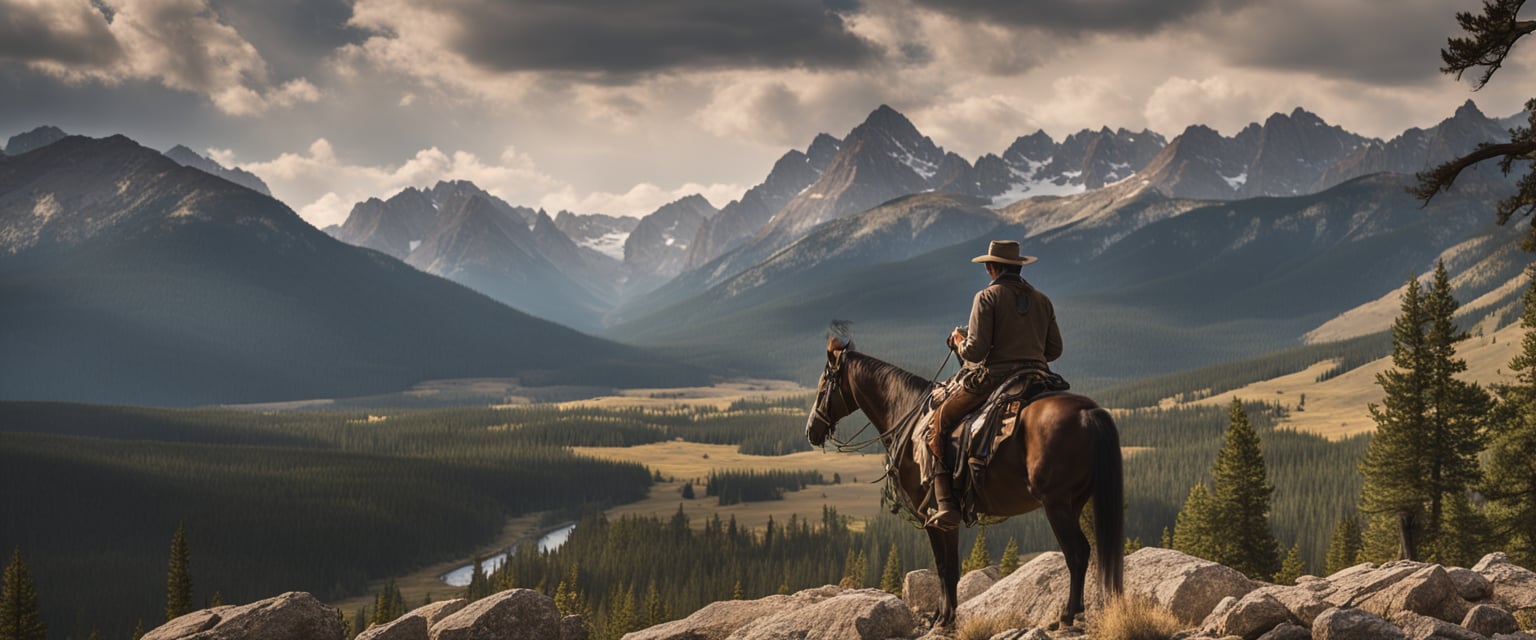
Jim Bridger’s early life shaped his destiny as one of the most important figures in the exploration of the American West. His formative experiences provided him with the skills and resilience needed for a life in the rugged terrain of the Rockies.
Birth and Family Background
Jim Bridger was born on March 17, 1804, in a log cabin near Richmond, Virginia. He was the son of a carpenter, and his mother was of English descent. The Bridger family later moved to North Carolina, where Jim grew up.
His upbringing in a working-class family instilled in him a strong work ethic. At a young age, he was exposed to the outdoors, which nurtured a lifelong appreciation for nature and adventure.
Youth and Formative Years
Bridger’s youth was marked by mobility, as his family relocated frequently. This nomadic lifestyle contributed to his adaptability and resourcefulness. By the age of 13, he began exploring the Virginia wilderness, honing skills that would serve him well later in life.
In 1822, he ventured westward, joining a fur-trapping expedition. This decision introduced him to the vast landscapes of the Rocky Mountains. Bridger’s early experiences laid the groundwork for his future as a trailblazer and guide, as he learned to navigate the challenging terrain and interact with various Native American tribes.
Exploration and Trailblazing
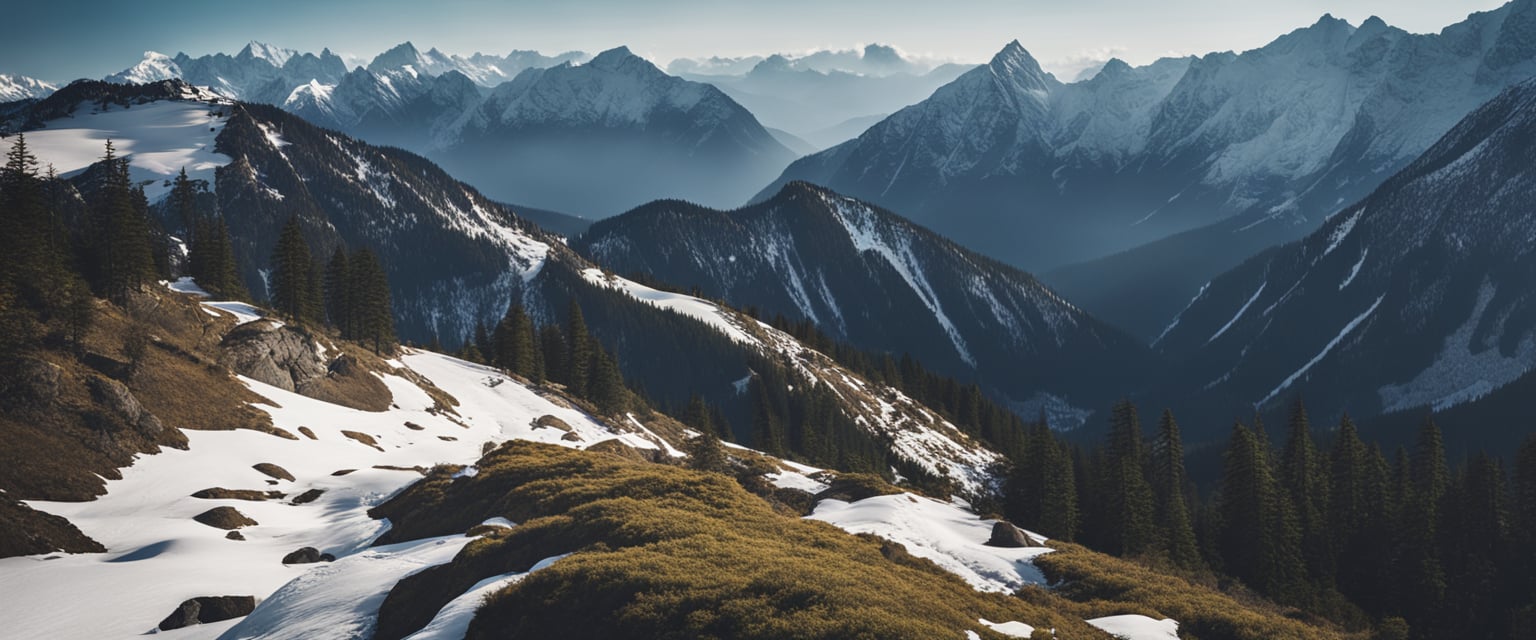
Jim Bridger played a crucial role in the exploration of the Rocky Mountains. His ventures extended the understanding of the geography and resources, fostering connections between different territories. Each phase of his journey brought new insights and facilitated trade and travel in the region.
Initial Expeditions
Bridger’s early expeditions in the 1820s laid the groundwork for future exploration. He joined the Ashley-Henry Expedition, which aimed to discover routes and resources in the Rockies. His skills as a skilled tracker and hunter proved invaluable in navigating the rugged terrain.
Among his notable accomplishments was the discovery of the Great Salt Lake. This exploration helped to identify key geographical features that would shape future expeditions and settlement patterns. His knowledge of the land established him as a trusted guide.
Discoveries in the Rockies
Bridger’s explorations revealed significant features of the Rocky Mountains. He is credited with discovering the Bridger Pass, a vital route through the mountains. This pass became essential for fur traders and migration in subsequent years.
His discoveries also included various rivers and natural resources. Bridger’s knowledge of the wildlife and terrain indicated the potential for trapping and trade. These insights greatly influenced the development of the fur trade and expansion into the west.
Establishment of Trading Posts
In the 1830s, Bridger established trading posts that became pivotal for commerce. Fort Bridger emerged as a central hub for fur trade and supplies. It facilitated interactions between trappers, settlers, and Native American tribes.
The trading posts were strategically located near essential routes and resources. Figures like Bridger navigated complex trade relationships, ensuring the sustainability of these posts. His influence in establishing these locations marked a turning point in the economic landscape of the Rockies.
Role in the Fur Trade
Jim Bridger played a significant role in the fur trade, engaging in various partnerships and establishing key relationships with Native tribes. His actions and decisions had a lasting impact on the dynamics of trade in the region.
Partnerships and Business Ventures
Bridger was involved in several fur trading enterprises throughout his career. He partnered with prominent companies such as the Rocky Mountain Fur Company, where he worked as a trapper and guide. His knowledge of the territory made him invaluable for navigating the challenging landscapes of the Rockies.
Bridger also established his own trading post, which served as a crucial hub for travelers and traders. This post enabled him to trade directly with other fur traders and local Native tribes, creating a thriving business by offering supplies and goods.
Interactions with Native Tribes
Bridger’s relationships with Native tribes were essential to his success in the fur trade. He maintained strong alliances and sought mutual benefits, often trading goods such as weapons and tools for furs. This exchange helped to foster cooperation between his trading ventures and the tribes.
His respectful approach enabled him to gather vital information about the land and its resources, becoming a trusted figure among various tribes. Bridger’s interactions often included participation in cultural exchanges, which enhanced mutual understanding and facilitated smoother transactions.
Later Life and Legacy
Jim Bridger’s later years reflected both a retreat from the rugged life of exploration and an enduring impact on American culture. His contributions as a mountain man and scout continued to resonate long after his active years in the wilderness.
Retirement and Final Years
After a lifetime of adventure, Bridger settled in 1868 in Green River, Wyoming. His later years were marked by a shift from the wilderness to a more settled life.
Despite facing financial struggles, he remained a respected figure in the community. Bridger occasionally shared his experiences with younger generations, highlighting the importance of exploration and the natural world.
He passed away on July 17, 1881, leaving behind a storied legacy as one of the West’s most celebrated figures. His experiences helped shape the narrative of the American frontier, influencing both historical accounts and popular culture.
Cultural Impact and Remembrance
Bridger’s life has inspired numerous books, movies, and folklore, portraying him as the archetypal mountain man. His role in facilitating westward expansion is recognized in history and storytelling.
He is often depicted as a symbol of rugged individualism and resilience. National parks and sites have been named in his honor, preserving his memory.
Bridger’s contributions to exploration, especially his role in the fur trade and interactions with Native American tribes, remain a significant part of American history. His legacy lives on through the continued interest in mountain men and the spirit of the American West.
Guides to the Unknown: Bridger’s Influence on Mapmaking
Jim Bridger played a significant role in the evolution of American mapmaking during the 19th century. As a skilled trapper and frontiersman, his extensive knowledge of the uncharted territories became invaluable.
Bridger’s firsthand experiences in the Rockies contributed to more accurate maps. His observations detailed various geographic features, including rivers, mountain ranges, and plains.
Key Contributions
- Exploration: Bridger explored areas that were previously unknown to settlers.
- Landmarks: He identified important landmarks such as Bridger Pass and several notable mountain ranges.
- Guiding Expeditions: His guidance in expeditions helped shape the routes taken by settlers and explorers.
Bridger’s narratives and sketches laid the groundwork for future cartographers. His influence can be seen in maps that emerged following his explorations, enhancing navigation through the challenging terrain of the Rockies.
Lasting Impact
The information provided by Bridger was crucial for pioneers seeking new opportunities in the West. His contributions significantly improved the understanding of the geography of the region, helping settlers navigate the expansive wilderness.
Through his knowledge, Bridger transformed the way the American West was mapped and understood. His legacy in mapmaking reflects the importance of accurate geographic information in the advancement of U.S. exploration and settlement.