
During World War II, Nazi spies were sent on missions to gather information and carry out acts of sabotage in enemy territory. These spies were trained in espionage and were given specific tasks to complete. Some of these missions were successful, while others were not. However, the stories of these spies and their missions have become infamous in history.
One of the most famous missions of Nazi spies was the Operation Pastorius. This mission involved sending eight German spies to the United States in 1942 to carry out acts of sabotage. The spies were trained in Germany and were sent to the US to destroy key infrastructure such as hydroelectric plants, factories, and transportation systems. However, the mission was not successful, as the FBI was able to capture all eight spies before they could carry out their plans.
Another famous mission of Nazi spies was the Venlo Incident. In 1939, two British intelligence officers were kidnapped by German agents in Venlo, the Netherlands. The Germans hoped to use the officers as leverage in negotiations with the British. However, the incident led the British to become more vigilant about German espionage, which ultimately led to the downfall of several German spy networks in Europe.
These and other missions of Nazi spies have become infamous in history and continue to be studied by historians and intelligence agencies today.
Early Espionage Efforts
Abwehr: The German Military Intelligence
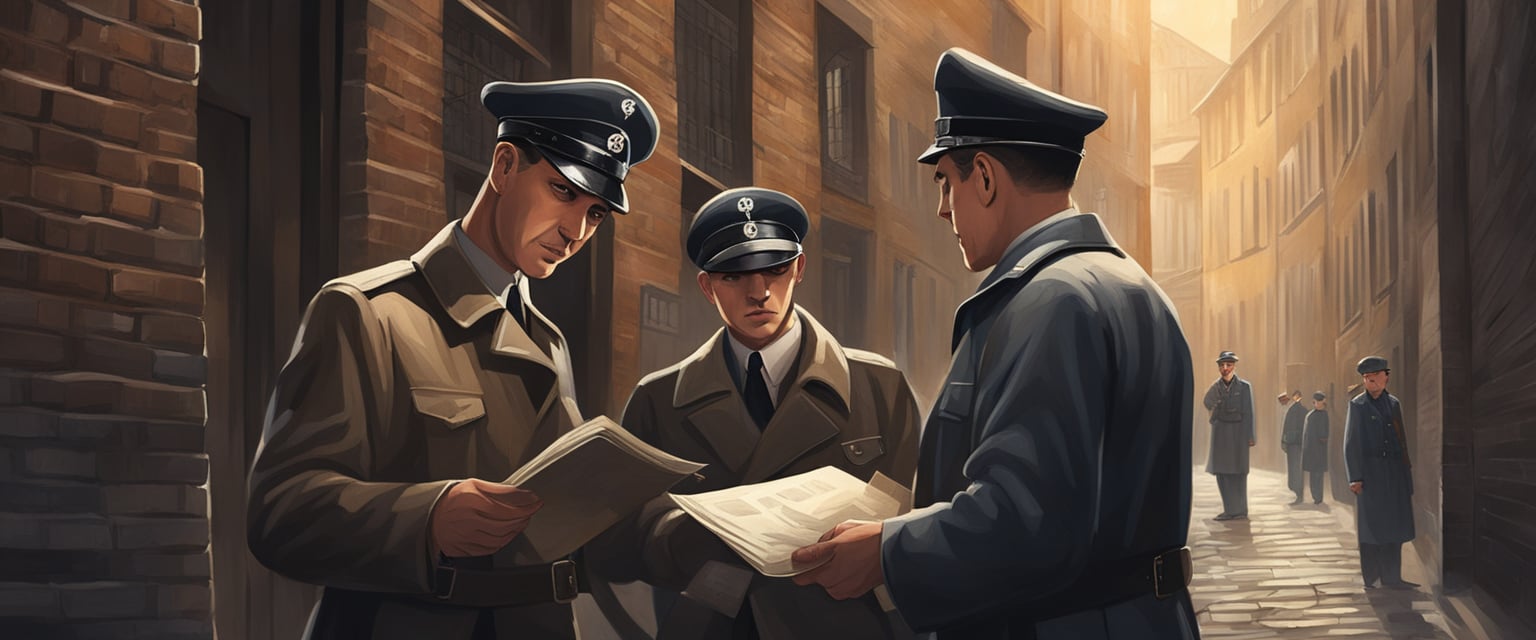
The Abwehr was the German military intelligence agency during World War II. It was responsible for gathering intelligence, conducting espionage, and carrying out sabotage operations against Germany’s enemies. The Abwehr was founded in 1921 and initially focused on gathering intelligence on France’s military capabilities. However, by the time of World War II, it had expanded its operations to include espionage and sabotage in other countries as well.
The Abwehr had a network of spies and agents operating in many countries. These agents were trained in espionage techniques such as code-breaking, wiretapping, and surveillance. They were also given false identities and cover stories to help them blend in with the local population. The Abwehr’s most famous spy was probably Juan Pujol García, Agent Garbo. García was a Spanish double agent who worked for the British during the war, providing them with valuable German operations intelligence.
Pre-War Intelligence Operations
Before the outbreak of World War II, the Nazi regime was already engaged in intelligence operations in other countries. One of the most famous of these operations was the Venlo Incident. In November 1939, two British intelligence agents met with two German agents in the Dutch town of Venlo to discuss a possible peace treaty. However, the Germans had set a trap and captured the British agents. This incident led to a crackdown on British intelligence operations in Europe and helped to pave the way for the German invasion of the Netherlands in 1940.
Another famous pre-war espionage operation was the theft of the plans for the French Maginot Line. In 1935, a German spy named Hans-Thilo Schmidt posed as a French officer to steal the plans for the French defensive line. The German military then used the plans to plan their invasion of France in 1940.
Overall, the early espionage efforts of the Nazi regime were focused on gathering intelligence and preparing for war. The Abwehr and other intelligence agencies played a crucial role in these efforts, and their activities would significantly impact the course of the war.
Notable WWII Spy Operations
Operation Pastorius
Operation Pastorius was a Nazi spy mission during World War II that aimed to sabotage American infrastructure. The mission was carried out by eight German agents who arrived in the United States via submarine in June 1942. Their targets included hydroelectric plants, factories, and transportation systems. However, the mission was ultimately unsuccessful, as all of the agents were captured and executed.
The Duquesne Spy Ring
The Duquesne Spy Ring was a Nazi espionage network that operated in the United States during World War II. The ring was led by German spymaster Fritz Joubert Duquesne and consisted of 33 spies tasked with gathering intelligence on American military and industrial targets. However, the ring was eventually uncovered by the FBI, and all of its members were arrested and convicted.
The Venlo Incident
The Venlo Incident was a Nazi spy operation that took place in the Netherlands in 1939. The operation involved the kidnapping of two British intelligence officers, Major Richard Stevens, and Captain S. Payne Best, who was lured to a meeting with German agents under the pretense of providing information. The agents hoped to use the officers as bargaining chips in negotiations with the British government. However, the operation was unsuccessful, as Dutch authorities eventually rescued the officers.
Overall, these notable WWII spy operations demonstrate the extent to which Nazi intelligence agencies were willing to go to achieve their goals. Despite their efforts, however, many of these missions were ultimately unsuccessful due to the vigilance and determination of Allied forces.
Key Figures in Nazi Espionage
Wilhelm Canaris
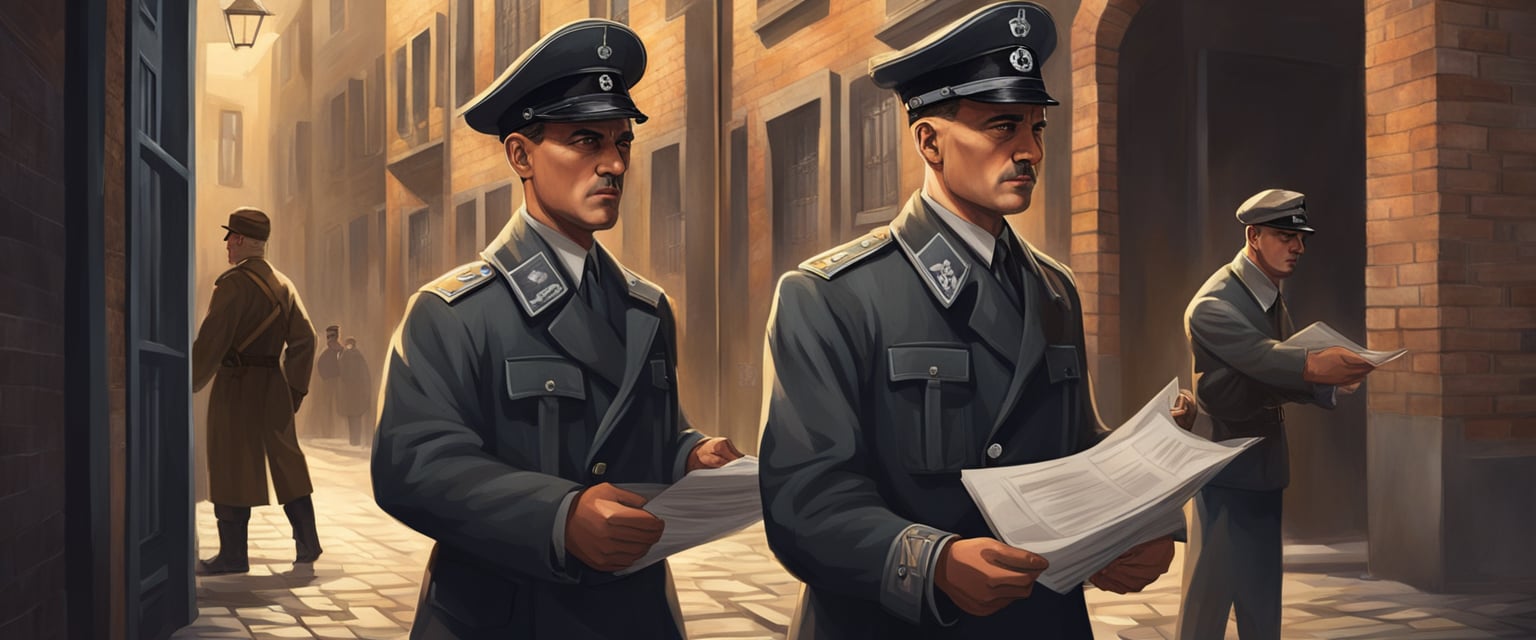
During World War II, Wilhelm Canaris was a German admiral and chief of the Abwehr, the German military intelligence service. He was a key figure in Nazi espionage due to his position as head of the Abwehr. Canaris was able to use his position to conduct espionage operations against Allied forces and provide valuable intelligence to the Nazi regime.
Canaris was also involved in a conspiracy to overthrow Hitler and end the war. He was eventually arrested by the Gestapo and executed in 1945.
Richard Sorge
Richard Sorge was a German journalist and Soviet spy who operated in Japan during World War II. He established a spy network there and provided valuable intelligence to the Soviet Union, including information about Japan’s plans to attack it.
Sorge was eventually caught by the Japanese and executed in 1944. He is considered one of the most successful Soviet spies of all time.
Overall, Wilhelm Canaris and Richard Sorge were two critical figures in Nazi espionage during World War II. Their actions significantly impacted the war and the intelligence operations of both the Axis and Allied powers.
Counterintelligence and Legacy
Allied Countermeasures
The threat posed by Nazi spies during World War II was taken very seriously by the Allied forces. In response, several countermeasures were put in place to prevent the success of these spies. One such measure was the creation of the Double Cross System, which was designed to turn Nazi spies into double agents. This system played a crucial role in the success of the D-Day landings, as it allowed the Allies to mislead the Germans about the location of the invasion.
Another important countermeasure was radio detection and ranging (radar) technology, which was used to detect and track incoming enemy aircraft. This technology was instrumental in the Battle of Britain’s success, as it allowed the Royal Air Force to intercept German planes before they could reach their targets.
Impact on Post-War Espionage
The legacy of Nazi espionage has had a lasting impact on the world of intelligence gathering. One of the most significant legacies has been the development of modern counterintelligence techniques. The lessons learned during World War II have helped intelligence agencies better understand the methods used by foreign spies and develop more effective ways of countering them.
In addition, the legacy of Nazi espionage has had a profound impact on the public’s perception of intelligence gathering. The revelations about the extent of Nazi spying during the war helped to raise awareness about the importance of counterintelligence. They helped to establish intelligence gathering as a crucial tool in the defense of national security.
Overall, the legacy of Nazi espionage serves as a reminder of the importance of vigilance in the face of foreign threats. While the methods used by spies may have evolved, the need for effective counterintelligence remains as important as ever.



