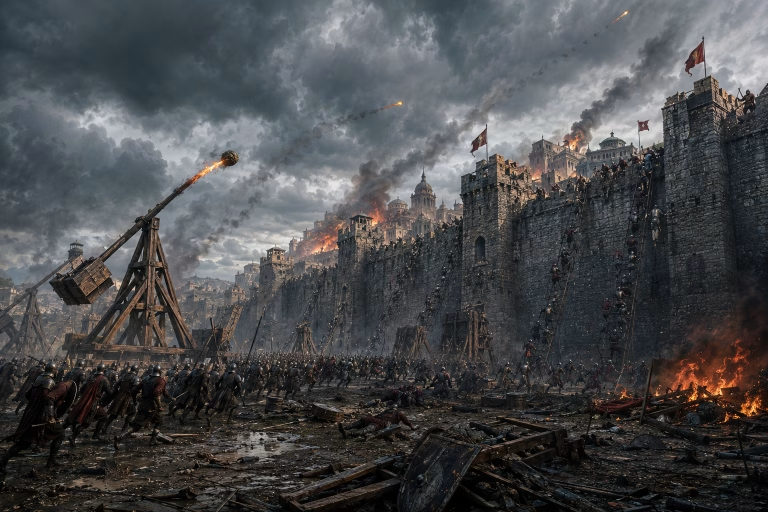
Between 1637 and 1890, the United States fought over 40 major conflicts with Native American nations—wars that killed more people per capita than any other conflicts in American history. These Native American Wars That Changed U.S. History weren’t just isolated skirmishes on distant frontiers. They fundamentally reshaped the nation’s borders, military doctrine, federal policies, and the very identity of what it meant to be American.
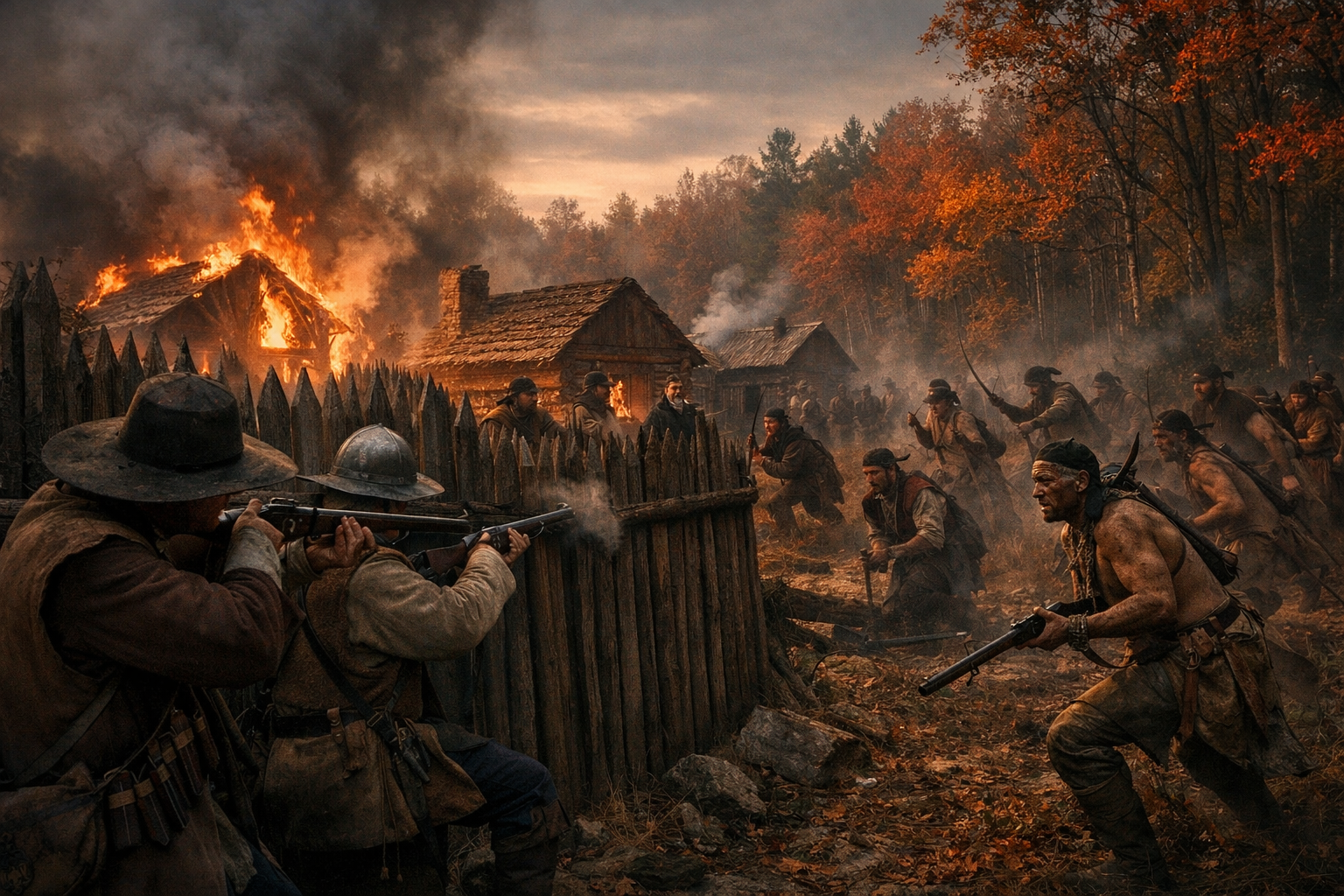
From the forests of New England to the Great Plains of the West, these conflicts tell the story of two vastly different civilizations colliding over land, resources, and survival. Each war represented a turning point—not just in military strategy, but in how the United States would grow, govern, and define itself as a continental power.
The Native American Wars That Changed U.S. History reveal patterns of expansion, broken treaties, cultural misunderstanding, and the gradual shift from cooperation to conquest. Understanding these conflicts provides crucial insight into forces that shaped modern America, from federal Indian policy to the mythology of the American frontier.
Key Takeaways
• Scale of Impact: These wars collectively resulted in the displacement of hundreds of thousands of Native Americans and opened millions of acres to U.S. expansion
• Policy Formation: Each major conflict led to significant changes in federal Indian policy, military strategy, and territorial governance
• Geographic Transformation: The wars enabled U.S. expansion from the Atlantic coast to the Pacific Ocean, fundamentally altering the nation’s borders
• Cultural Legacy: These conflicts created lasting mythologies about the American frontier while devastating Native American societies and ways of life
• Military Evolution: Fighting Native American forces forced the U.S. military to develop new tactics, technologies, and organizational structures
The Early Colonial Wars That Set the Stage
The foundation for centuries of conflict was laid in the earliest encounters between European colonists and Native American nations. These initial wars established patterns of land disputes, cultural misunderstanding, and military tactics that would define later conflicts.
1. King Philip’s War (1675–1678)
Who Was Involved: Wampanoag leader Metacom (called “King Philip” by colonists) led a confederation of New England tribes against English colonial settlements in Massachusetts, Rhode Island, and Connecticut.
What Caused the Conflict: Decades of colonial expansion had severely reduced Native hunting grounds and agricultural lands. The execution of three Wampanoag men by Plymouth Colony for allegedly murdering a Christian Native American served as the immediate trigger for war.
Key Events: The conflict began with coordinated attacks on colonial settlements across New England. Native forces destroyed 12 towns completely and damaged 40 others. The war featured brutal tactics on both sides, including the burning of villages and taking of captives.
Why It Changed U.S. History: King Philip’s War was proportionally the deadliest conflict in American history, killing roughly 10% of the adult male population in New England. It effectively ended Native American power in southern New England and established a precedent for total war that would characterize later conflicts. The war also created the first American military heroes and established patterns of frontier warfare.
2. The French and Indian War (1754–1763)
Who Was Involved: This global conflict pitted British forces and colonists against French troops, with various Native American nations allied with both sides. Key Native allies included the Iroquois Confederacy (mostly British-allied) and the Huron, Ottawa, and other Great Lakes tribes (French-allied).
What Caused the Conflict: Competition between Britain and France for control of the Ohio Valley and Great Lakes region led to escalating tensions. Native nations found themselves forced to choose sides in a European power struggle that would determine their own futures.
Key Events: The war included major battles like Braddock’s Defeat (1755), where Native and French forces destroyed a British army, and the eventual British capture of Quebec (1759). Native American tactics and knowledge proved crucial throughout the conflict.
Why It Changed U.S. History: British victory eliminated French power in North America but left Britain with massive war debts that led to increased taxation of American colonies. The war also removed French support for Native American resistance to British expansion. Most importantly, it demonstrated to American colonists their military capabilities and created the conditions that would lead to the American Revolution.
Wars of the New Republic
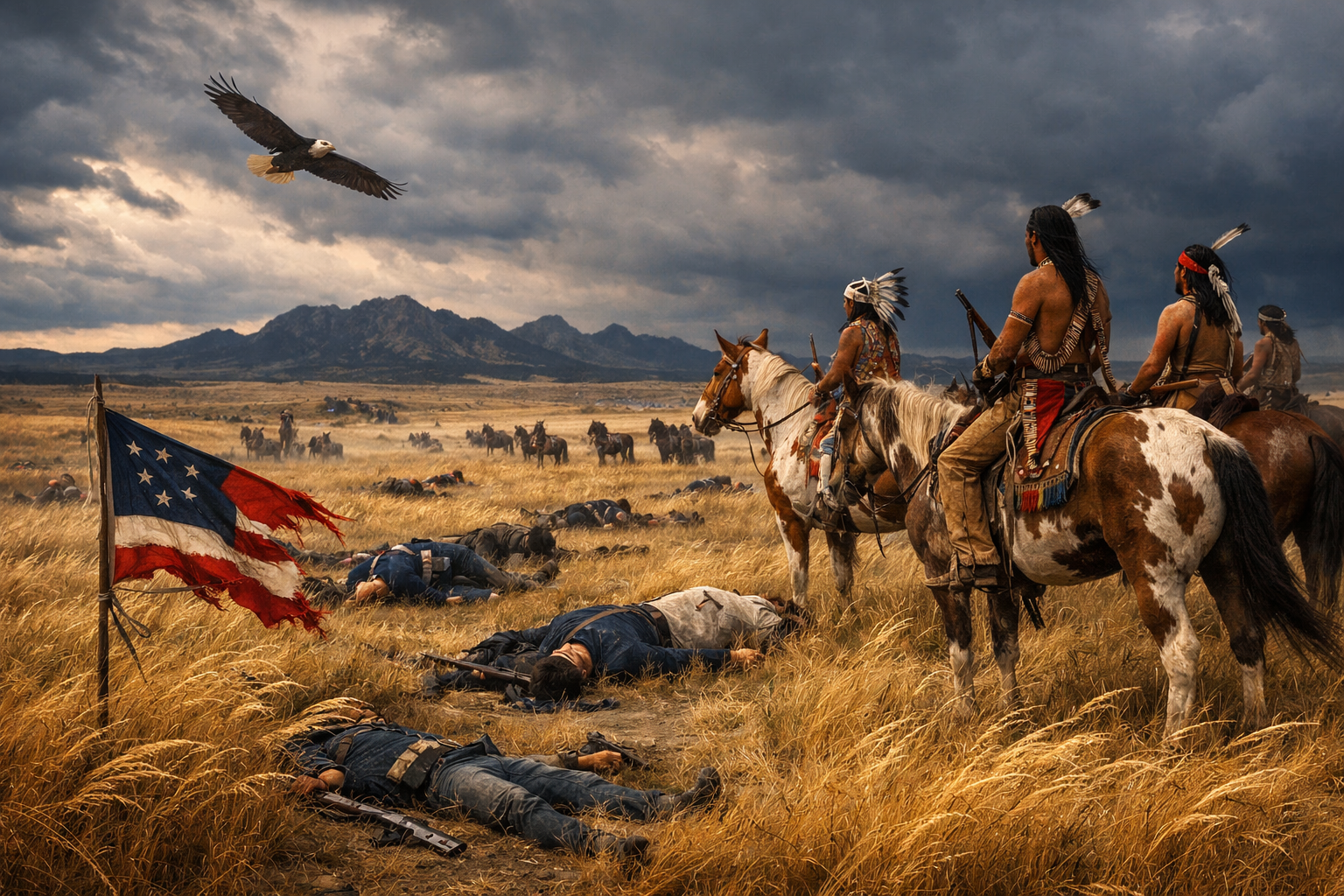
After American independence, the young United States faced the challenge of defining its relationship with Native American nations while pursuing westward expansion. These conflicts tested the new nation’s military capabilities and shaped its approach to territorial growth.
3. Pontiac’s War (1763–1766)
Who Was Involved: Ottawa war chief Pontiac led a confederation of tribes including the Ottawa, Ojibwe, Potawatomi, Huron, Miami, Wea, Kickapoo, Mascouten, Piankashaw, Delaware, Shawnee, and Seneca against British forces in the Great Lakes region.
What Caused the Conflict: After the French and Indian War, British forces took control of former French forts but treated Native nations as conquered peoples rather than allies. The British also ended the French practice of giving gifts to maintain alliances and restricted trade in firearms and ammunition.
Key Events: The confederation captured eight British forts and besieged Detroit and Fort Pitt (Pittsburgh). The conflict featured innovative siege tactics and demonstrated sophisticated inter-tribal coordination. British forces eventually regained control but at enormous cost.
Why It Changed U.S. History: Pontiac’s War forced the British to issue the Proclamation of 1763, which prohibited colonial settlement west of the Appalachian Mountains. This policy created significant tension between Britain and American colonists eager for western lands, contributing to the grievances that led to the American Revolution. The war also established the precedent that Native nations could effectively resist European expansion through coordinated military action.
4. Northwest Indian War (1785–1795)
Who Was Involved: The Western Confederacy, led by chiefs like Little Turtle (Miami) and Blue Jacket (Shawnee), fought against the United States Army and militia forces. The confederacy included Miami, Shawnee, Ottawa, Ojibwe, Potawatomi, Lenape, Wyandot, and other tribes.
What Caused the Conflict: The United States claimed the Ohio Country through treaties with Britain, but Native nations had never ceded these lands. American settlers poured into the region despite Native resistance, leading to escalating violence.
Key Events: Native forces achieved stunning victories against U.S. forces, including Harmar’s Defeat (1790) and St. Clair’s Defeat (1791), which remains the worst defeat of the U.S. Army by Native Americans. The tide turned with Anthony Wayne’s victory at the Battle of Fallen Timbers (1794).
Why It Changed U.S. History: This war demonstrated that the new United States needed a professional army to secure its territorial claims. The eventual American victory in the Treaty of Greenville (1795) opened most of Ohio to settlement and established the precedent that the federal government, not individual states, would handle Indian affairs. The war also showed that Native American military leadership could pose serious challenges to U.S. expansion plans.
5. Tecumseh’s War (1811–1813)
Who Was Involved: Shawnee leader Tecumseh and his brother Tenskwatawa (the Prophet) built a pan-Indian confederacy that allied with British forces during the War of 1812. They faced U.S. forces led by William Henry Harrison and others.
What Caused the Conflict: Tecumseh envisioned a confederacy of all tribes east of the Mississippi River to resist further American expansion. His movement combined military resistance with spiritual renewal, rejecting American civilization and calling for a return to traditional ways.
Key Events: The conflict began with the Battle of Tippecanoe (1811), where Harrison’s forces destroyed the confederacy’s headquarters. During the War of 1812, Tecumseh’s forces allied with Britain and achieved significant victories before Tecumseh’s death at the Battle of the Thames (1813).
Why It Changed U.S. History: Tecumseh’s death and the collapse of his confederacy ended the last major Native American resistance movement in the Old Northwest. This opened the entire region to rapid American settlement and eliminated the possibility of a Native American buffer state. The war also made William Henry Harrison a national hero, eventually leading to his presidency. Most importantly, it demonstrated that great Native American leaders could temporarily unite diverse tribes but couldn’t overcome American numerical and technological advantages.
Southeastern Conflicts and Removal
The wars in the Southeast established patterns of federal intervention and forced removal that would define U.S.-Native American relations for decades.
6. Creek War (1813–1814)
Who Was Involved: The Creek Nation split into two factions: the Red Sticks (traditionalists) who opposed American influence, and the White Sticks who sought accommodation. U.S. forces led by Andrew Jackson allied with the White Sticks, Cherokee, and Choctaw warriors.
What Caused the Conflict: Internal divisions within the Creek Nation over how to respond to American pressure erupted into civil war. The Red Sticks, inspired by Tecumseh’s message, sought to resist American encroachment and return to traditional ways.
Key Events: The war began with the Fort Mims Massacre (1813), where Red Stick warriors killed over 400 people. Andrew Jackson’s forces systematically destroyed Red Stick towns, culminating in the decisive Battle of Horseshoe Bend (1814).
Why It Changed U.S. History: Jackson’s victory forced the Creek Nation to cede 23 million acres in the Treaty of Fort Jackson, opening vast areas of Alabama and Georgia to settlement. The war made Jackson a national hero and demonstrated the effectiveness of using allied Native American forces against resistant tribes. It also established the precedent that the U.S. would intervene in internal tribal conflicts to advance its territorial goals.
7. First Seminole War (1817–1818)
Who Was Involved: Seminole warriors, escaped slaves (Black Seminoles), and some Creek refugees fought against U.S. forces commanded by Andrew Jackson. Spanish Florida provided sanctuary for the resisters.
What Caused the Conflict: Escaped slaves fled to Spanish Florida where they found refuge among the Seminoles. Cross-border raids and the return of escaped slaves created tensions that escalated into open warfare.
Key Events: Jackson’s forces invaded Spanish Florida without authorization, capturing Spanish forts and executing British subjects. The campaign effectively demonstrated Spanish inability to control Florida.
Why It Changed U.S. History: Jackson’s unauthorized invasion of Spanish territory created an international incident but ultimately forced Spain to cede Florida to the United States in the Adams-Onís Treaty (1819). The war demonstrated that the U.S. would pursue its territorial goals even at the risk of international complications. It also established the precedent for American military intervention in foreign territory to pursue domestic policy goals.
8. Black Hawk War (1832)
Who Was Involved: Sauk leader Black Hawk led approximately 1,500 Sauk and Fox people, including women and children, back to their traditional lands in Illinois. They faced U.S. Army regulars, Illinois militia, and allied Potawatomi and Dakota warriors.
What Caused the Conflict: The disputed Treaty of 1804 had ceded Sauk and Fox lands east of the Mississippi River, but Black Hawk argued the treaty was invalid. After being forced west, his band attempted to return to their ancestral village of Saukenuk.
Key Events: What began as an attempt to resettle became a running conflict across Illinois and Wisconsin. The war ended with the Battle of Bad Axe (1832), where U.S. forces killed most of Black Hawk’s followers, including women and children attempting to surrender.
Why It Changed U.S. History: Though brief, the Black Hawk War accelerated the policy of Indian removal and opened northern Illinois and southern Wisconsin to rapid settlement. The war also launched the military careers of future Civil War generals and demonstrated that even small-scale Native American resistance would be met with overwhelming force. The conflict showed how the impact of wars on U.S. history extended far beyond the immediate participants.
The Longest and Most Expensive Conflicts
Some Native American wars tested the limits of U.S. military power and resources, forcing adaptations in strategy and tactics.
9. Second Seminole War (1835–1842)
Who Was Involved: Seminole warriors led by chiefs like Osceola, along with Black Seminoles, fought a guerrilla campaign against U.S. Army forces in the Florida Everglades.
What Caused the Conflict: The U.S. government attempted to force Seminole removal to Indian Territory under the Indian Removal Act. Many Seminoles refused to leave their Florida homeland and took refuge in the vast, nearly impenetrable Everglades.
Key Events: The war featured unconventional guerrilla tactics perfectly suited to the swampy terrain. Seminole forces avoided large battles, instead conducting hit-and-run attacks before disappearing into the wilderness. The capture of Osceola under a flag of truce became a national scandal.
Why It Changed U.S. History: This became the longest and most expensive Indian War in U.S. history, costing over $20 million and lasting seven years. It demonstrated the limits of conventional military power against determined guerrilla resistance in difficult terrain. The war forced the U.S. military to develop new tactics for irregular warfare and showed that some Native American groups could successfully resist removal. The conflict also revealed the extent to which Native American genocide was far worse than acknowledged in official accounts.
10. The Great Sioux War (1876–1877)
Who Was Involved: Lakota Sioux, Northern Cheyenne, and Arapaho warriors led by chiefs like Sitting Bull and Crazy Horse fought against U.S. Army forces commanded by generals like George Crook and Alfred Terry.
What Caused the Conflict: The discovery of gold in the Black Hills violated the Treaty of Fort Laramie (1868), which had guaranteed these sacred lands to the Lakota. When negotiations to purchase the Black Hills failed, the government ordered all Lakota to report to reservations.
Key Events: The war included the famous Battle of Little Bighorn (1876), where Lakota and Cheyenne forces annihilated George Armstrong Custer’s 7th Cavalry. However, this victory prompted massive military retaliation that ultimately crushed Native resistance.
Why It Changed U.S. History: Despite their stunning victory at Little Bighorn, the Lakota and their allies were eventually defeated and forced onto reservations. The war marked the end of the Plains Indian Wars and the last major Native American military resistance. It also created the mythology of Custer’s “Last Stand” that became central to American frontier legend. The conflict demonstrated that even spectacular Native American victories could not overcome the industrial and demographic advantages of the United States.
Patterns and Lasting Impact of Native American Wars
The Native American Wars That Changed U.S. History reveal several consistent patterns that shaped the relationship between the United States and Indigenous nations:
Expansion vs. Survival 🏔️
Every major conflict arose from the fundamental tension between American territorial expansion and Native American survival. As the U.S. population grew and demanded new lands, Native nations faced impossible choices between resistance and accommodation.
Broken Treaties and Shifting Policies 📜
Treaties signed after military defeats were routinely violated when American interests changed. This pattern of agreement and betrayal became a defining characteristic of U.S.-Native American relations.
Technological and Demographic Advantages ⚔️
While Native American forces often achieved tactical victories through superior knowledge of terrain and innovative tactics, they could not overcome the fundamental advantages of American industrial capacity and population growth.
Federal vs. State Authority 🏛️
These wars established federal supremacy in Indian affairs and demonstrated that territorial expansion required coordinated national policy rather than local initiatives.
Conclusion
The Native American Wars That Changed U.S. History were far more than military conflicts—they were the violent birth pangs of a continental nation. From King Philip’s War in colonial New England to the Great Sioux War on the Great Plains, these conflicts shaped every aspect of American development: borders, military doctrine, federal policy, and national identity.
These wars enabled the United States to expand from thirteen coastal colonies to a transcontinental empire, but at an enormous cost in Native American lives, cultures, and ways of life. Understanding this history requires acknowledging both the military and political achievements that built modern America and the devastating impact on Indigenous peoples who had called this land home for millennia.
The legacy of these conflicts continues to influence American society in 2026. Federal Indian law, reservation systems, tribal sovereignty, and ongoing debates about historical justice all trace their origins to decisions made in the aftermath of these wars. The patterns of expansion, resistance, and accommodation established in these conflicts created precedents that shaped how America would later interact with other peoples and nations around the world.
Take Action: To deepen your understanding of this crucial period in American history, explore primary sources from these conflicts, visit battlefield sites and tribal museums, and engage with contemporary Native American perspectives on this shared history. Only by understanding how these wars shaped the past can we better navigate the ongoing relationship between the United States and Native American nations today.